
Individual therapy for adults seeking greater self-understanding, healing, and connection
Individual therapy in person in Salt Lake City and online across Utah
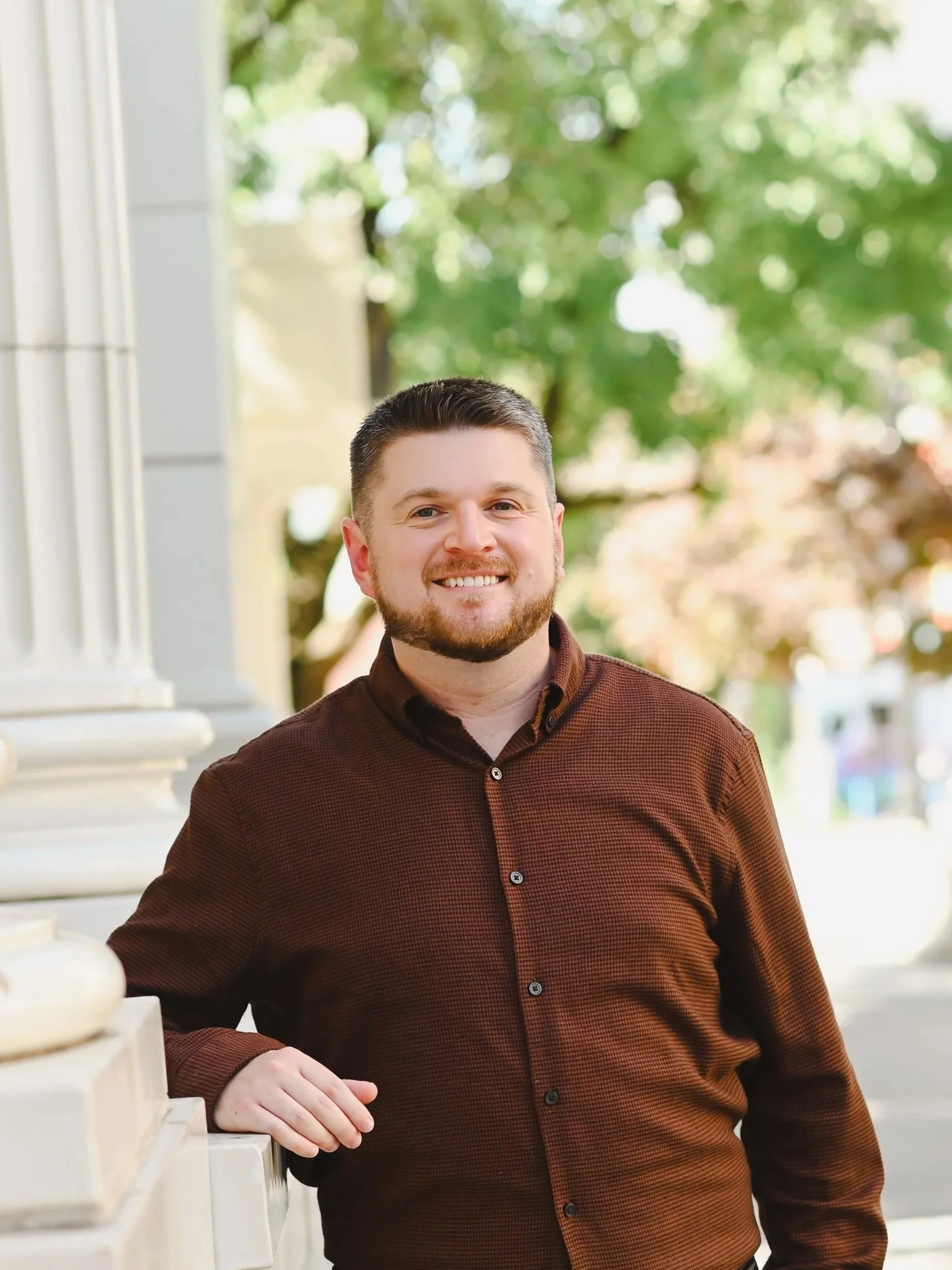
Cody Merrell, LCSW
You may be feeling anxious, overwhelmed, disconnected, or aware that something in your life doesn’t feel the way you want it to.
What brings you to therapy
You may find yourself replaying conversations, agreeing to things you don’t want, or feeling guilty when you set a limit. Maybe things you used to enjoy feel distant, or earlier experiences still affect how you feel about yourself and relate to others.
You might understand your patterns and still find yourself repeating them. We can explore why they persist and what it would look like to do something different.
Areas of focus
Trauma and EMDR
Earlier experiences may still feel emotionally present or affect how you respond today. I offer trauma therapy and am trained in EMDR, one of the approaches we may use in our work together.
Depression
Feeling low, numb, or disconnected can make everyday life harder. I work with adults on depression, including its effects on motivation, relationships, and sense of self.
Anxiety and perfectionism
Worry, second-guessing, or pressure to get things right can be difficult to put down. We can work on understanding your anxiety and finding ways to respond differently.
Religious trauma
Fear, shame, or self-doubt can linger after your beliefs or relationship with religion have changed. I work with adults on the lasting effects of religious trauma.

LGBTQIA+ Affirming Therapy
My approach is LGBTQIA+ affirming, and I welcome adults across the LGBTQIA+ community. Much of my work is with gay men. Your identity and experiences are respected, and your goals guide what we focus on in therapy.
How I work

’m Cody Merrell, a licensed therapist. I’m an active participant in our conversations, offering observations and different perspectives. I can be direct when that’s helpful.
We might explore what makes setting a boundary difficult, then consider how you want to approach that conversation. When addressing trauma, we discuss the approach and pace together.
Getting started
I offer appointments in person in Salt Lake City and online across Utah. Visit Fees & Insurance for current fees and information about using insurance.
A free 15-minute consultation, by video or in person, gives us a chance to talk about what’s bringing you in, answer your questions, and see whether working together feels like a good fit. This is a brief introductory conversation, rather than a therapy appointment.
You don’t need to have everything organized or know exactly what you want to work on before reaching out.